
By Roxie Francis, Founder of I Heart My Voice
Your teen was hitting the high notes last spring. Now the voice cracks mid-chorus, drops out of nowhere, and sounds like a stranger moved in.
Take a breath. This is normal, and it is not the end of singing.
I have coached kids and teens for more than 20 years. I have watched hundreds of voices go through puberty, and I can tell you that the singers who keep going come out the other side with a bigger, richer sound. This guide shows you what is happening, what to do about it, and what to skip.
The Short Answer: Can a Teen Keep Singing During Puberty?
Yes. Most teens can keep singing while their voice changes, as long as they sing in a comfortable range, avoid pushing or straining, and work with a coach who understands the changing voice. Singing gently and often helps a teen learn how the new voice works. Forcing high notes, belting hard, or whispering to hide cracks makes things worse.
Here is the quick version:
✔️ Keep singing, but keep it easy. ✔️ Move songs into a comfortable key. ✔️ Warm up every time. ✔️ Drink water and sleep. ✔️ Never push through pain or hoarseness. ✔️ Get a coach who knows teen voices.
The rest of this guide explains why.

What Is Actually Happening to the Voice?
Your teen's voice box, called the larynx, is growing. The vocal folds inside it get longer and thicker. Longer, thicker folds vibrate more slowly, and slower vibrations mean lower pitch.
That is the whole science. The messy part is the middle.
While the folds change size, the muscles that control them have to relearn their job. It is like getting a new car and driving it for the first time on a mountain road. The steering works, but it feels different, and you overcorrect.
That overcorrecting is the crack.

Why Does a Teen's Voice Crack?
A crack happens when the voice flips between two settings without a smooth handoff. Think of it as the voice changing gears too fast.
Here is why it happens in the teen years:
The folds are growing unevenly. They do not always grow at the same speed, so the voice wobbles.
The muscles are still learning. Your teen's brain has not mapped the new size yet.
The range is shifting. Notes that were easy last month sit in a new spot now.
Cracks are annoying, and they are not damage. They are proof that the voice is under construction.
What Changes for and What Changes for Girls?
Both boys and girls go through a voice change. Boys just get the louder announcement.
For boys, the voice usually drops by about an octave. It often begins around ages 12 to 15, and cracks can be dramatic. The change can feel sudden.
For girls, the voice usually drops by about three to four notes. It often starts around ages 11 to 14. The change is subtler, so many parents miss it. Girls often notice a breathier tone, a tired voice, or a gap between their chest voice and head voice.
Every teen is different. Some voices change in a few months, and others take a year or two. The calendar is a guide, and your teen's body sets the schedule.
The Stages of a Changing Voice
Most teens move through a few phases. You may see them in this order, or you may see them overlap.
The warning signs. The voice sounds tired, breathy, or a little rough, and high notes feel harder.
The crack zone. The voice flips up and down without warning. This is the most frustrating stage.
The settling in. Cracks happen less often, and a new range starts to appear.
The new voice. The tone is steadier, the range is clearer, and singing feels easier again.
If your teen is in stage two, a little humor goes a long way. We tell our students that the crack is the voice saying hello.

What Real Singers Do During the Change
Here is where I want you to hear from some of the young singers I have coached.
When Jiwon Lee began lessons at 8 years old, her family had no idea where it would lead. Her parent shared, "Over just two years, she grew immensely, developing a strong and confident singing voice that earned her callbacks for Broadway National Tours and even a Disney lead role as Sophie in Vampirina." Kids who start young get years of practice before the changes hit, so the foundation is already there.
We coached Victoria Justice for more than five years. We recorded the right songs for her real voice, and those demos helped land her lead role on Nickelodeon's Victorious. A long runway like that means a coach is in the room through the awkward years, so nobody has to guess.
Jasmine Villegas began working with us as a kid. She had drive, and we kept the lessons going and the recording sessions coming. She went on to a major label deal and a #1 Billboard hit.
Leanne Tessa of the Disney Mickey Mouse Club put it best: "I've never felt this confident singing on stage. I've seen so much improvement."
Those singers did not wait for the voice to settle before they kept going. They kept singing with guidance, and the voice grew into something they owned.

Do's and Don'ts When Your Teen's Voice Is Changing
Here is the cheat sheet I give parents.
Do this:
✔️ Warm up gently. Start with easy humming, lip trills, and sirens. Five minutes is plenty. ✔️ Find the comfortable range. Sing where it feels easy, even if that means a lower key. ✔️ Change the key of the song. Songs do not have to stay in the original key. ✔️ Drink water all day. Hydration helps the vocal folds move smoothly. ✔️ Sleep. A tired body means a tired voice. ✔️ Keep singing. Short, easy sessions beat long breaks.
Skip this:
✖️ Belting hard to hit high notes. The folds are changing, so pushing is risky. ✖️ Whispering to avoid cracks. Whispering can strain the voice more than singing. ✖️ Clearing the throat all the time. It is rough on the folds. Sip water instead. ✖️ Imitating adult singers. Their voices are built for different jobs. ✖️ Singing through pain. Pain means stop.
How to Pick Songs While the Voice Is Changing
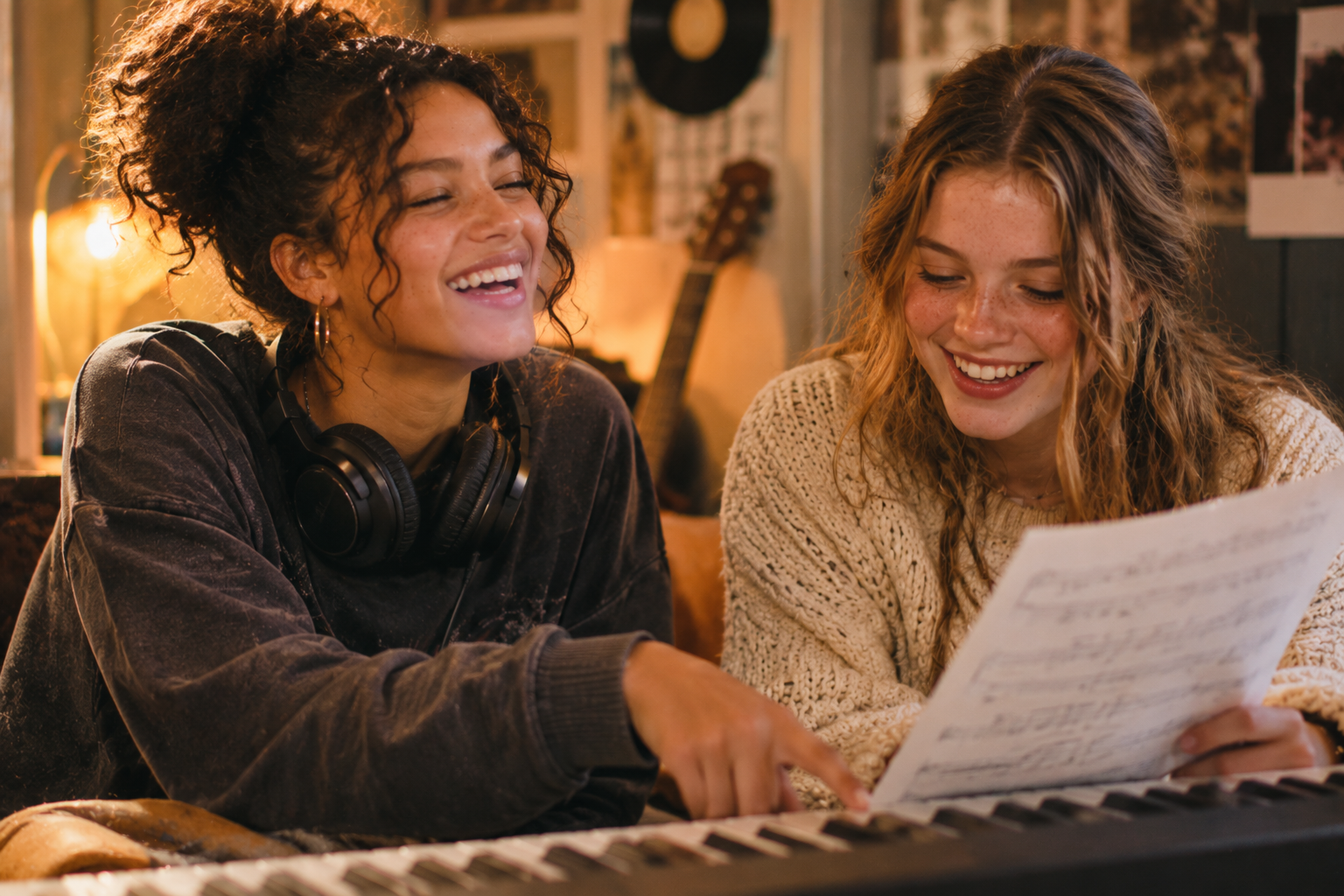
Song choice matters more now than ever. A song that sat perfectly last year can feel like a wrestling match today.
Try these tips:
Choose songs with a smaller range. Fewer big leaps mean fewer cracks.
Lower the key. A half step or a whole step down can change everything.
Pick a style that fits the new tone. A deeper, warmer voice may suit songs your teen skipped before.
Sing for fun, too. Pressure makes cracks worse. Joy makes them smaller.
Treat this as a chance to find new favorite songs. Many teens discover a style they never would have chosen at age ten.
Private Lessons for a Changing Voice
A private coach can adjust every exercise to your teen's voice that week. That matters when the range shifts quickly.

Signs You Should See a Doctor
Most changes are normal. A few are not.
Call your pediatrician or an ear, nose, and throat doctor if your teen has:
Hoarseness that lasts more than two weeks
Pain when speaking or singing
Loss of voice that does not come back
A voice that stays very breathy or weak
Trouble swallowing or breathing
I am a vocal coach, and not a medical professional, so please treat this as general information. When in doubt, check with a doctor.

How Online Vocal Coaching Helps Through the Change
A coach does what a parent cannot. A coach listens for the first signs of strain and fixes them before they become habits.
Here is what that looks like in our lessons:
We map the new range. We find out where the voice sits today.
We adjust the songs. We change keys and pick material that fits right now.
We build healthy habits. Warmups, breath support, and easy technique protect the developing voice.
We keep confidence high. A teen who feels safe is a teen who keeps singing.
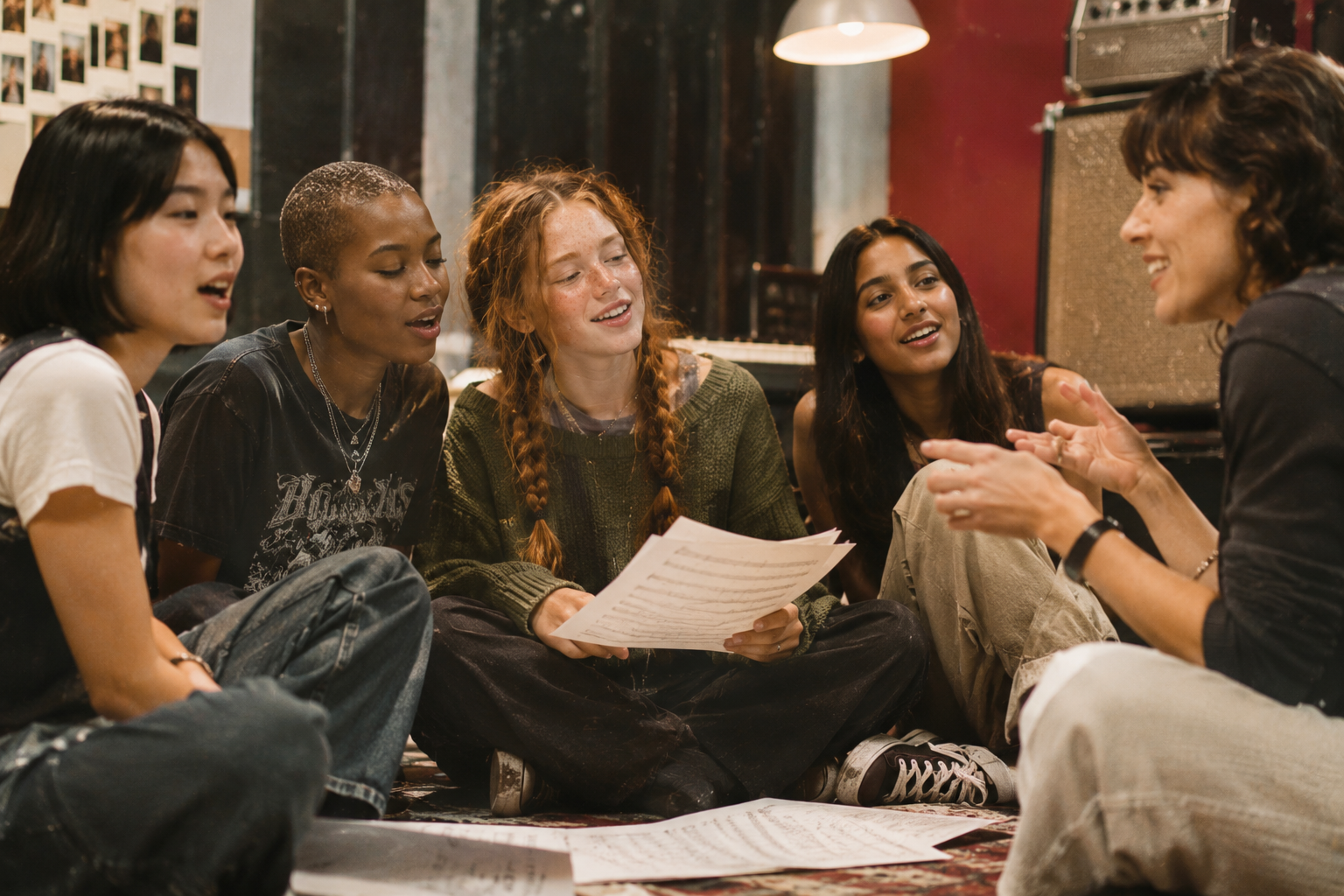
Our lessons are weekly, private, and online, so your teen can learn from award-winning coaches without a drive across town.
➡️ See how it works in our ✨ I Heart Singing program for kids and teens.✨
What Parents Can Do at Home
You do not need to be a musician to help. These small moves matter.
Stay calm about cracks. Your reaction sets the tone. A laugh helps more than a worried look.
Never tease. One bad comment can end a singing habit.
Ask what feels good. Teens know when a song is too high.
Celebrate small wins. A steady chorus deserves a high five.
Keep the mic on. Karaoke night counts as practice.
Your teen is learning a new instrument while performing on it. That is hard, and you can make it feel safe.

FAQs:
-
Yes. Most teens can keep singing during a voice change if they stay in a comfortable range and avoid straining. Gentle, regular practice helps the voice settle. If singing hurts or the voice gets hoarse, stop and talk to a doctor.
-
The voice box is growing, and the muscles are still learning to control the new size. The voice flips between settings without a smooth handoff. It is a normal part of puberty and not a sign of damage.
-
Most girls notice changes between ages 11 and 14. The drop is smaller than in boys, usually about three to four notes, so it is easy to miss. Girls often notice a breathier tone or a gap between chest voice and head voice.
-
Most boys notice changes between ages 12 and 15, and the voice often drops by about an octave. Cracks are common and can last for months.
-
It varies. Some teens settle in a few months, and others take a year or two. Every body follows its own schedule.
-
Most teens do not need a full break. Short, easy sessions in a comfortable range are usually better than stopping. A doctor or vocal coach can tell you if your teen needs rest.
-
Yes, when a trained coach uses age-appropriate technique. A good coach protects the developing voice, adjusts keys and songs, and watches for strain.
-
Many kids start around ages 6 to 8, and teens can begin at any age. Starting before puberty builds habits that help later, and starting during puberty can help a teen learn the new voice faster.
-
No. Puberty changes the voice, and it does not ruin it. Most singers end up with a stronger, richer sound once the change settles.
❤️ Final Word from Roxie
Help Your Teen Keep Singing
A changing voice is a bumpy ride, and your teen does not have to take it alone.
If your child or teen dreams of singing, whether for fun, confidence, or a future career, our coaches will help them keep going through every stage.
➡️ Learn more about the I Heart Singing program.
Book Your Free Intro Session
With love, Roxie

At I Heart My Voice, we help singers unlock their full potential through online singing lessons, vocal coaching, and artist development programs.
Whether you’re just starting out or ready to go pro, our award-winning team has guided singers to Broadway, Disney, Nickelodeon, major labels, and viral success.