What I Learned from Coaching Hundreds Of Kids to Sing Online
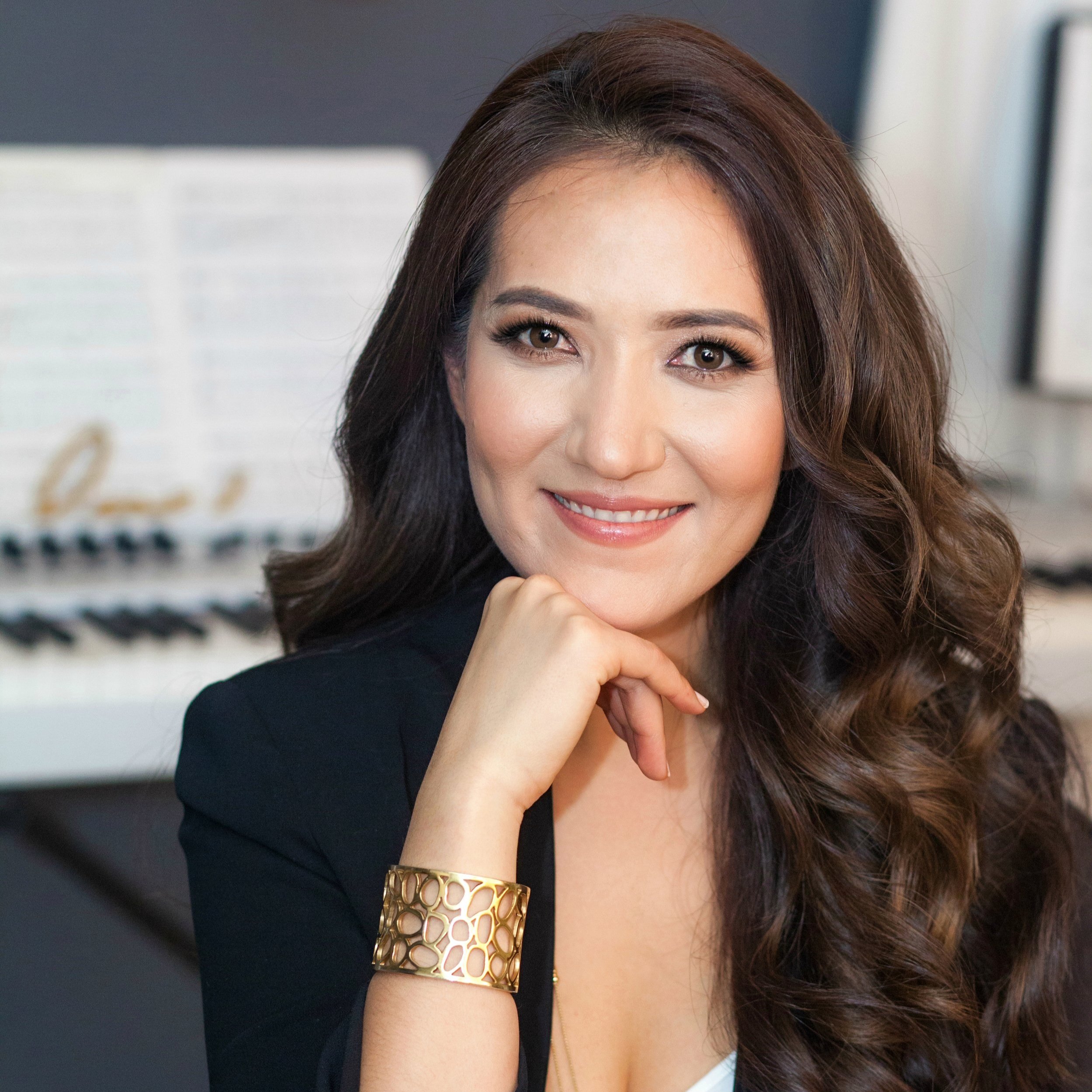
By Roxie Francis, Founder of I Heart My Voice
In the beginning of I Heart My Voice, my passion was dedicated to nurturing emerging artists and supporting adult singers. However, as the world shifted to a more virtual space, we evolved right alongside it. Suddenly, I found myself connecting with a vibrant array of young voices from all corners of the country — from shy seven-year-olds discovering their power, to daring pre-teens embracing their uniqueness, and confident teens determined to break into the industry no matter where their hometown was. It’s been a beautiful journey of empowerment and creativity, with thrilling wins that I’m so grateful to have been a part of.
Now, years (and thousands of lessons) later, I can tell you this — some of the most transformative, illuminating, and empowering experiences have unfolded within those small Zoom squares.
This is what I’ve learned.
Technique Is Important (But It’s Not the First Thing)
Yes, breath support matters. Yes, posture and pitch matter. But when you’re working with a child or a teen, you quickly learn that relationship comes first. They need to trust you before they’ll try something new. They need to feel safe before they’re willing to be heard.
So my first job was never technical. It was always emotional. And that made me a better coach.
When a student feels seen, they begin to open up — and then we can get to the good stuff like vocal agility, range, stamina, tone, and more. But the truth is, for most young singers, permission comes before projection.
Online Works — When It’s Built to Work
I was skeptical, too. How would I correct posture through a screen? Would audio delay make pitch training impossible?
But the answer was simple: design a system that works online.
At I Heart My Voice, we built our entire approach around the virtual format, which means:
Shorter, more focused lesson structures
Play-based warmups and ear training games
Live feedback plus recorded support between sessions
Honest check-ins — not just “how’s your voice,” but “how are you today?”
What I learned is this: kids are way more adaptable than adults. And when you design the learning environment to support their attention span and natural curiosity, they thrive.

Confidence Isn’t Taught — It’s Grown
I remember one student, a 12-year-old girl from Florida, who didn’t make eye contact for the first three weeks of lessons. She mumbled “hi” when logging in and turned her camera off halfway through class. But she kept showing up.
By week six, she was discovering her belt voice. By month three, she recorded her first original song.
What changed? Nothing dramatic. Just consistency, being 100% present in every moment, and small wins. She started to believe in herself because someone else believed in her first.
That’s the core of what I teach, no matter the age: confidence is a side effect of safety + support.

What I Want Parents to Know
If you're a parent reading this and wondering, “Is my child ready for this?” or “Will they feel overwhelmed?” — I want to say this clearly:
Your child doesn’t need to be a prodigy to start. They don’t even need to be confident. They just need to have a desire to sing and improve, and we’ll take care of the rest.
We’ve worked with shy kids, bold kids, kids with stage fright, kids who sing all day long, and kids who’ve never sung in front of anyone. And every single one has grown.
Some have landed on network singing shows, some have found their true passion elsewhere through their journey of developing their love for singing and self-confidence, and discovering their authentic voice in the process.
FAQs:
-
Usually around age 6–8, depending on the child’s maturity and interest level. Earlier exposure can be helpful when done gently.
-
With the right setup and coach, online lessons are just as effective. We tailor each session to work with the student’s energy, focus, and voice — right from home.
-
Yes. Many of our students are shy at first. In fact, we specialize in helping quiet or introverted kids find their voice without pressure.
-
We recommend consistent weekly sessions. Progress comes from regular, low-pressure exposure — not cramming or perfection.
❤️ Final Word from Roxie
Ready to Learn More?
If this sounds like something your child or teen might connect with, check out our full I Heart Singing program here!

At I Heart My Voice, we help singers unlock their full potential through online singing lessons, vocal coaching, and artist development programs.
Whether you’re just starting out or ready to go pro, our award-winning team has guided singers to Broadway, Disney, Nickelodeon, major labels, and viral success.